

- All
- Ideas
- Individuals
- Long Reads
- Places
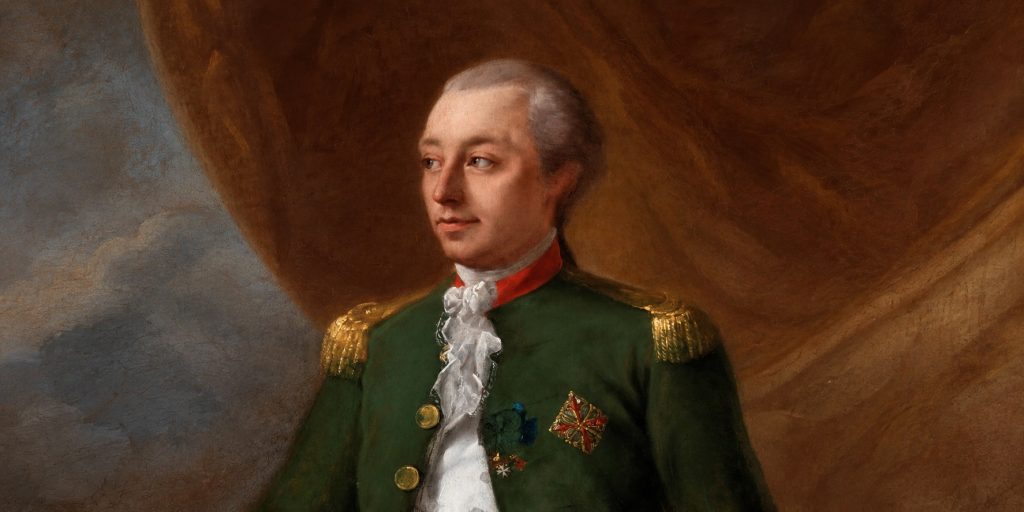
In Pursuit of Human Happiness: the Life of Gaetano Filangieri (1753–1788)
By Amedeo Arena — This biographical essay explores the life of Gaetano Filangieri, from his early intellectual ambitions and personal struggles to his correspondence with Benjamin Franklin. Discover the man behind The Science of Legislation and his lifelong commitment to the happiness of humankind.
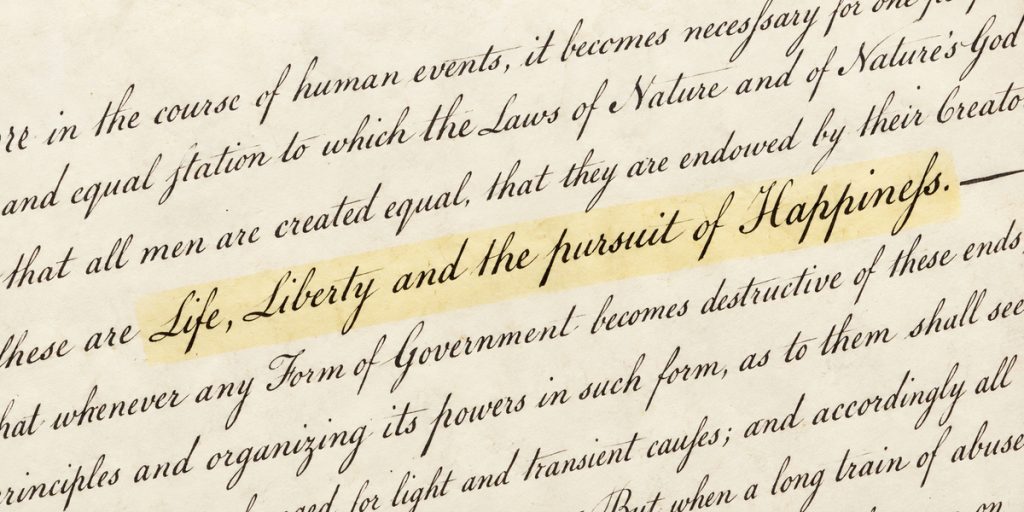
The Pursuit of Public Happiness in Filangieri’s Thought
By Antonio Trampus – How did Gaetano Filangieri connect the pursuit of happiness with good laws and individual rights? This post traces the Neapolitan thinker’s engagement with the American Revolution and explores why education, liberty, and trustworthy institutions remain essential to public wellbeing.
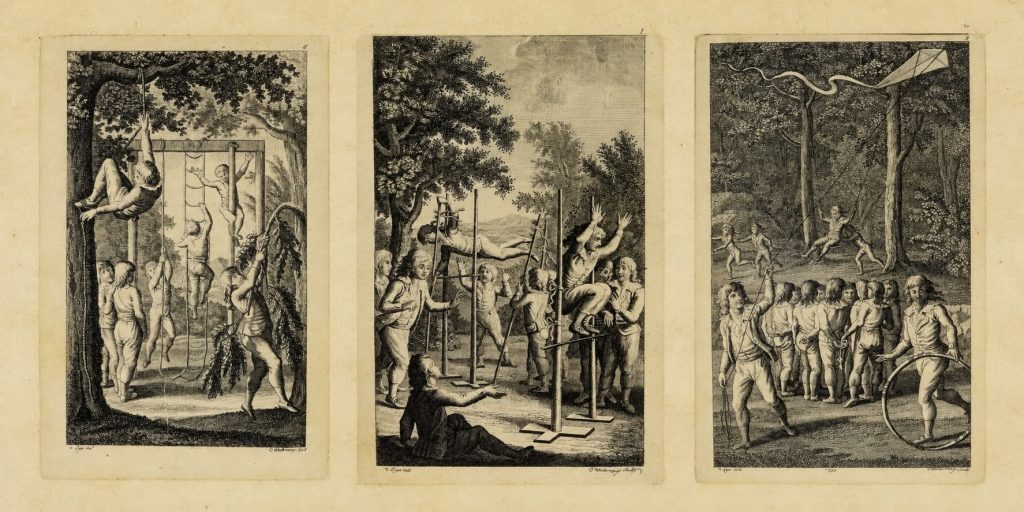
Happiness as the Purpose of Law: Body, Virtue, and Citizenship in Filangieri
By Francesca De Rosa — For Gaetano Filangieri, a law was to be judged not by the order it maintained but by the lives it made possible, and in Book IV of the Science of Legislation the path to citizenship began, unexpectedly, with the body. Discover how physical, moral and intellectual education became a public duty in his vision of happiness, and why the questions it raised about health, equality and the limits of state power are still with us.
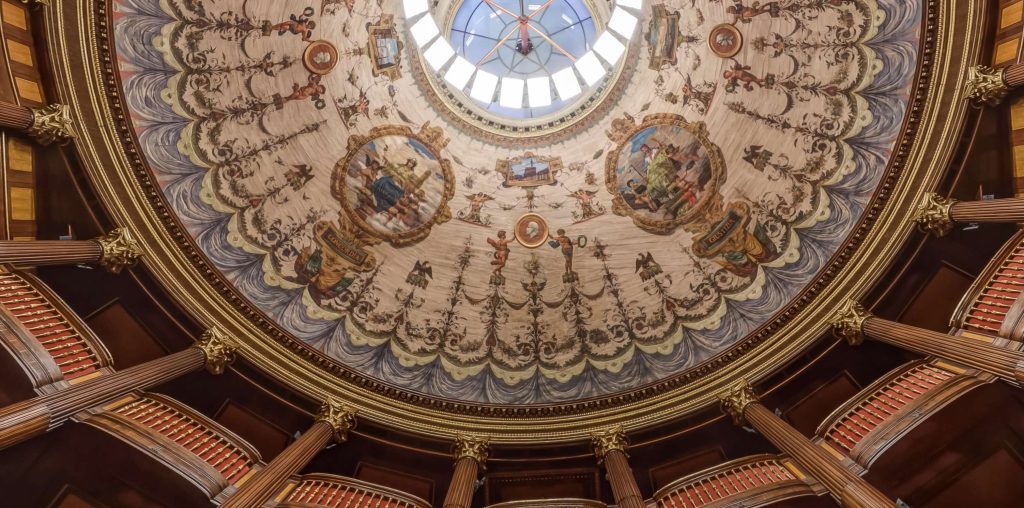
A Philosopher above the Lawmakers: Filangieri in the Italian Senate, from the Kingdom to the Republic
By Mario Riberi — Painted into the ceiling of the Italian Senate beside Papinian, Irnerius and Machiavelli, Gaetano Filangieri has looked down on Italian lawmakers since the Kingdom of Italy, and they have kept looking up, from the 1875 debate on the death penalty to the 2025 bill on legislative simplification. Discover how a Parliament that never applied his program to the letter keeps borrowing the language of the Science of Legislation to judge its own laws.
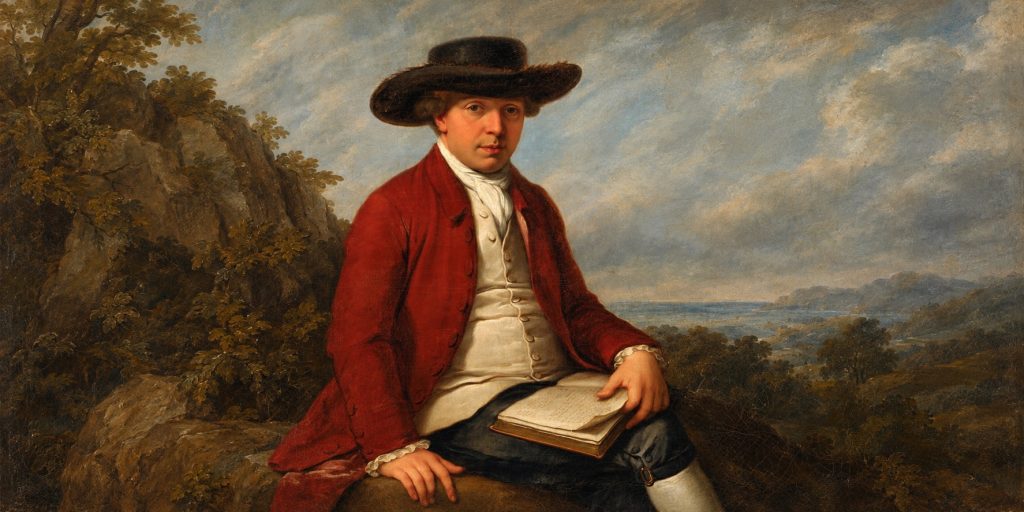
A Neapolitan Botanist by Any Other Name: The Strange Case of Dr. Cirillo and Mr. Famitz
By Amedeo Arena — For more than 250 years, a clerical error concealed Domenico Cirillo’s election to the American Philosophical Society under the mysterious name “Professor Famitz.” Discover how a letter linking Naples and Philadelphia helped restore his identity and reveal a forgotten chapter of the transatlantic Enlightenment.
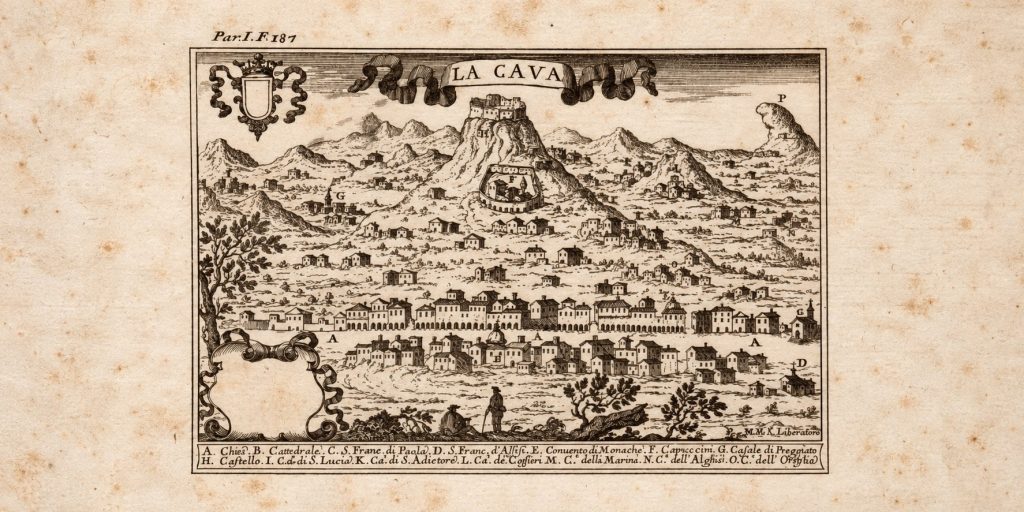
Cava de’ Tirreni: Filangieri’s Happy Retreat and a Setting for His Dialogue with Franklin
By Alfonso Maria Di Somma — In Cava de’ Tirreni, Gaetano Filangieri found happiness, developed his ideas on education, and continued his dialogue with Benjamin Franklin. Discover how this historic town became a retreat for an Enlightenment thinker whose pursuit of public happiness connected southern Italy with the emerging United States.

Transatlantic Enlightenment: A 250-Year Conversation between Italy and America
By Amedeo Arena — From the Italian thinkers who inspired America’s founders to the Fulbright Program, a shared Enlightenment heritage connects Italy and the United States. Discover how ideas of liberty, equality, and public happiness have sustained a transatlantic conversation for 250 years.

Palladio’s Architecture and the Enlightenment in the United States of America
By Patrizia Bernadette Berardi — From Palladio’s villas to Thomas Jefferson’s Monticello, architecture offers a window onto the shared cultural heritage of Italy and America. Explore how Palladian design found new meaning in the ideals of the American Enlightenment.
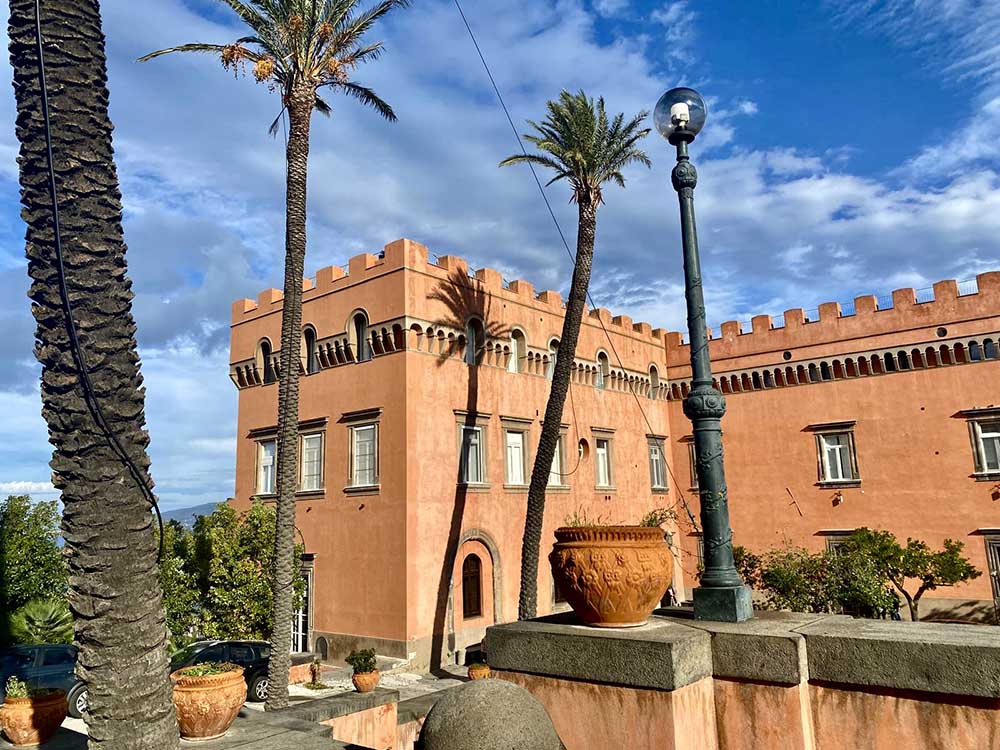
Gaetano Filangieri and the Castle at Vico Equense
By Amedeo Arena — At Castello Giusso in Vico Equense, Gaetano Filangieri spent his final months working on The Science of Legislation and received a copy of the U.S. Constitution from Benjamin Franklin. Discover the story of a coastal retreat that links Enlightenment Naples to America’s founding.
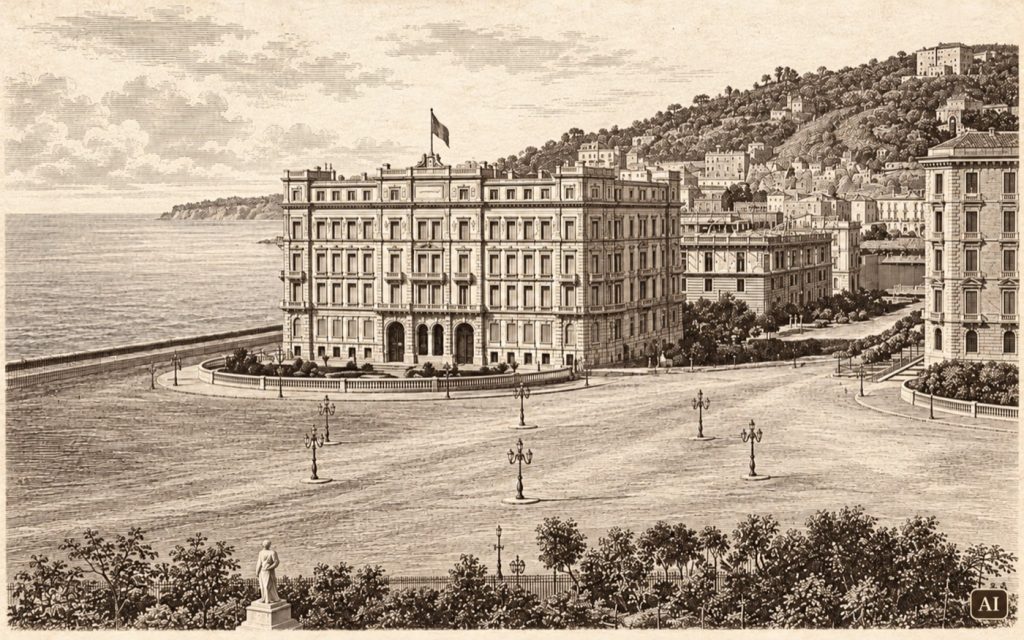
The U.S. Consulate in Naples and the Roots of Transatlantic Diplomacy
By Amedeo Arena — The opening of the U.S. Consulate in Naples in 1796 marked a new chapter in an older exchange of ideas. From Genovesi and Paoli to Filangieri and Franklin, explore the intellectual connections between Enlightenment Naples and the American founding.